Showing posts with label LifeStyle. Show all posts

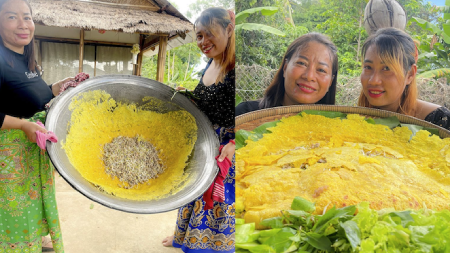
Did you ever eat The biggest donut? នំកងយក្សទំហំធំប៉ុនចង្អេរ​

 "How to make Khmer Donuts"

- Ingredients

- 400 grams of sourdough rice flour

- Half a teaspoon of salt

1 large bowl of coconut paste

- 300 grams of brown sugar

- 3 tablespoons roasted sesame seeds

- How to do

First, mix rice flour with salt, 2 tablespoons liquid palm sugar and coconut milk, stir into flour and leave for 10-15 minutes.

2. Roll the flour into rounds and fry (over medium heat) when it floats on top, leaving the red shape to extract.

3- Put the palm sugar in the pot, then stir it into the mother sugar and add the sesame seeds, stir together.

4 - Take the fried cake and dip it in sugar, but dip only one side, when ready to eat.


Cambodia, a country known for its rich cultural heritage and delectable cuisine, boasts a variety of traditional snacks that have stood the test of time. Among these treasures is the beloved "នំកង," pronounced as "nom kong," a delightful and satisfying treat that has captured the hearts and taste buds of locals and visitors alike. In this essay, we will explore the origins, preparation, flavors, and cultural significance of Khmer donuts.

Historical Roots: Khmer donuts have a long history that dates back centuries. While the exact origin is challenging to pinpoint, they have been an integral part of Cambodian culinary traditions for generations. These delightful snacks can be found at bustling markets, street stalls, and family gatherings throughout Cambodia. Khmer donuts have stood the test of time, maintaining their popularity despite evolving food trends.

Ingredients and Preparation: The simplicity of Khmer donuts is part of their charm. These golden-brown treats are typically made from a straightforward batter consisting of rice flour, sugar, coconut milk, and a pinch of salt. This mixture is carefully blended to achieve the perfect consistency, resulting in a light and airy dough.

The dough is then shaped into small rings or spheres, creating a classic donut shape. These dough pieces are gently dropped into hot oil, where they sizzle and puff up as they fry to a beautiful golden-brown hue. Once cooked, they are removed from the oil, allowing any excess oil to drain.

Flavor Profiles: What sets Khmer donuts apart from their counterparts in other cultures is their subtle sweetness and unique flavor. These donuts are not overly sugary; instead, they strike a harmonious balance between the natural sweetness of coconut milk and the satisfying, slightly savory notes of the fried dough. The result is a delicate, melt-in-your-mouth experience that keeps people coming back for more.

Cultural Significance: Beyond their delectable taste, Khmer donuts hold cultural significance in Cambodia. They are often made for special occasions, such as weddings, festivals, and religious ceremonies. During these events, the act of preparing and sharing Khmer donuts brings families and communities together, reinforcing bonds and traditions.

Additionally, Khmer donuts are frequently offered to monks during almsgiving ceremonies as a gesture of merit-making. This practice underscores their role not only as a tasty snack but also as a symbol of generosity and compassion.

Conclusion: In conclusion, Khmer donuts, or "នំកង," are a cherished part of Cambodia's culinary heritage. Their history, preparation, unique flavors, and cultural significance make them a delightful and meaningful treat. Whether enjoyed as a street food indulgence or a special part of a festive celebration, these golden-brown delights exemplify the beauty of Cambodian culture and cuisine. As you savor the subtle sweetness and delicate texture of Khmer donuts, you can't help but appreciate the rich traditions and flavors that make them an enduring favorite in Cambodia.


Watch on Youtube


Watch on Facebook

The most exotic Cambodian street food to try | កណ្តូបបំពងម្ទេសក្រហមជាមួយស្លឹកក្រូចឆ្ងុយឆ្ងាញ់

 Battambang Province: Grasshopper is a kind of bird that a large number of people like to cook.

As food, it is now being observed on the streets that it looks very interesting for those who like to eat because the farmers who catch locusts have brought it to fry. To put up for sale.

In recent months, it has been observed that along National Road 5 in Sangke district, Battambang province, umbrellas have been deployed on both sides of the road, which farmers have set up to sell locusts. Both of the trays they already fried were crispy.

Oum Srey Ros Chenda, a 62-year-old farmer living in Sala Trav village, said that every night her family, like other farmers, came to catch the locusts.

Selling just to alleviate daily life, even if there is insomnia or pain due to this locust, it must be patient.


Oum Srey continued that in Kampong Preang commune today, there are a lot of locusts because they

Come down and destroy the rice leaves every day, and their favorite type of rice is weed rice.

Because of this tall rice plant.

As for catching locusts, some say using a mosquito net

Or decorate it like a fishing net to take over the rice plant where the locusts are ripening.

In fact, they have to use their hands to hold it one by one.

Just cooked to sell is 2500 riel per can, in kilos is 40,000 riel per kilo, and every day there are passengers passing by car to buy regularly to eat.

Around the grasshopper market on this street, Mr. Yip Bunchhop, former official of the Battambang Provincial Department of Agriculture

Confirmed that locusts are classified as pests like crickets, because these animals

It eats farmers' crops as food, especially rice, especially frogs, it is a species that kills pests that come to destroy crops.


Watch Video Bellow:


Did you ever know about Bahn Chae បាញ់ឆែវ Recipe?

 Yes, I'm familiar with "បាញ់ឆែវ" (pronounced as "bahnchae") in Khmer cuisine. "បាញ់ឆែវ" is a traditional Cambodian dish that consists of stir-fried lemongrass chicken or beef. It's known for its fragrant and flavorful combination of ingredients, including lemongrass, galangal, garlic, and a variety of herbs and spices.


Here's a basic recipe for making "បាញ់ឆែវ" at home:

Ingredients:

  • Chicken or beef (cut into thin strips)
  • Lemongrass stalks (finely chopped)
  • Galangal (sliced or grated)
  • Garlic (minced)
  • Kaffir lime leaves (thinly sliced)
  • Red chili peppers (sliced, optional for heat)
  • Vegetable oil
  • Fish sauce
  • Sugar
  • Salt
  • Black pepper
  • Fresh herbs (such as basil, mint, and cilantro) for garnish

Instructions:

  1. In a pan or wok, heat some vegetable oil over medium-high heat.

  2. Add the minced garlic, chopped lemongrass, galangal, and sliced chili peppers (if using). Stir-fry until fragrant and slightly golden.

  3. Add the chicken or beef strips to the pan and continue to stir-fry until they are cooked through and browned.

  4. Season the meat with fish sauce, sugar, salt, and black pepper to taste. Adjust the seasonings to your preference.

  5. Toss in the thinly sliced kaffir lime leaves and continue to stir-fry for a couple more minutes.

  6. Once the meat is fully cooked and coated with the flavorful mixture, remove it from the heat.

  7. Serve the "បាញ់ឆែវ" hot, garnished with fresh herbs like basil, mint, and cilantro.

This dish is often served with steamed rice and is loved for its aromatic and savory flavors. It's a delightful example of Cambodian cuisine and showcases the use of lemongrass and other herbs and spices that are common in Khmer cooking.


Watch Video Bellow:

Watch on Facebook:


Do You Always Feel So Alone - This Might Be Why (Lifestyle)

Have you ever felt alone even though you were with people? Have you still felt somehow disengaged or removed from it all? It may be because you're lonely. While loneliness may not seem that important, over time it can have adverse effects on your mental and physical health.

According to Crystal Raypole from Healthline, chronic loneliness can cause conditions such as depression, poor sleep, high cholesterol, and more. Don't worry though. We just want to emphasize that if loneliness goes unchecked, it can impact you in more ways than one. With that said, here are seven reasons why you may feel alone.


Number one, burnout

Burnout can result from consistently overworking yourself and can lead to feelings of exhaustion and loneliness. As tempting as it is to work yourself as hard as you can, it's important to prioritize time for resting, relaxing, and spending time with loved ones. After all, having a good balance between work and rest can go a long way for your mental and physical wellbeing.

Number two, you don't connect with your friends

Do you feel like you don't fit in your friend group? You develop a strong sense of community, not when you're simply around others, but when you feel connected to them on an emotional level. So, despite being physically surrounded by your friends, you may still feel like you are alone. According to licensed professional counselor Rob Danzman from Psychology Today, this type of loneliness impacts college students the most. It may be because college is not only a time for academic stress but also social stress.

Number three, major life changes

Have you gone through some major life changes? Perhaps you just moved to a different country, are grieving after the loss of someone close to you, or have gone through an intense breakup with a loved one. These big changes can cause you to feel emotionally distanced from those around you. It's normal to look to others when trying to navigate new experiences. So, when you don't see any of them struggling with the same things as you are, you may end up feeling lonely and isolated.

Number four, depression

Did you know that loneliness and depression go hand in hand? Though loneliness is often reported as a cause of depression, it could also be a symptom of it. When someone is depressed, they are more likely to stay inside and isolate themselves to cope with the heaviness in their mind and body. Depression can be extremely draining. So, understandably spending excessive time alone may be tempting. However, remember that spending too much time alone is not healthy and could negatively impact your mental health.

Number five, social phobias

Do you have any social phobias? Maybe you panic when it comes to public speaking or feel alarmed when you're out in crowds. Whatever it is, the intense anxiety you feel may negatively impact your ability to enjoy other people's company. For example, social anxiety, which is the experience of intense fear when out in social situations, may cause you to develop a tendency to emotionally and physically isolate yourself from others, which can ultimately lead to a deep and constant feeling of loneliness.

Number six, childhood trauma

Were you neglected as a child? Childhood trauma, where you may have been deprived of proper care, attention, and affection, can not only make you feel physically and emotionally neglected, but it can also lead to other mental conditions such as depression or anxiety disorders. The trauma you experienced as a child may slowly manifest itself into intense feelings of loneliness. To learn more about the effects of childhood trauma, in particular, you can check out some of our other videos on that, too.

And number seven, screen time

According to a 2018 study at the University of Pennsylvania, spending too much time on social media may lead to feelings of loneliness due to a growing fear of missing out. Whether it's Instagram or Twitter, we tend to compare our lives to what other people post on their accounts.

This can lead to feeling as though your life isn't as exciting as it could be or that you don't hang out enough with your friends. But remember that social media is full of distortions. Just as you pick and choose the way you want to represent your life, others do the same. We hope this video helped you understand some of the possible causes of loneliness. Remember to like and share this message with those who might be feeling lonely, too, to remind them that they're not alone.

Artist
Kanha


© 2013 KhmerEnter. All rights resevered. Designed by Templateism

Back To Top